
Why Boredom Matters Today:
Feb 20, 2026Why Boredom Matters Today: Reclaiming Mental Clarity in a World of Screens
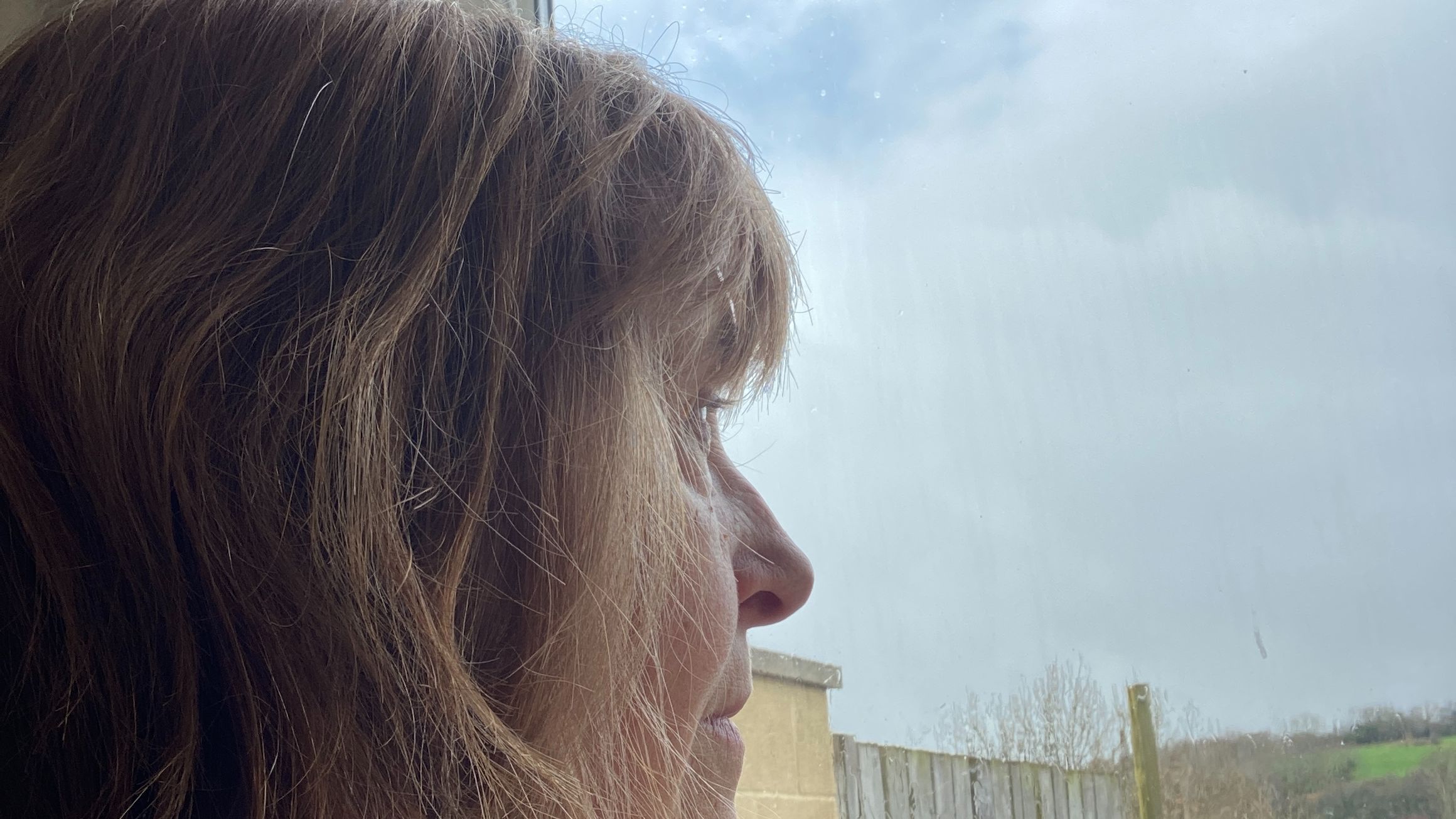
I still remember yesterday afternoon — standing in my kitchen, tea in hand, nothing on the TV, no podcast playing, no notifications buzzing. For a moment, I didn’t reach for my phone. I just stood there, and for the first time in a long while, I felt the slow return of a quiet curiosity — thoughts unfolding, emotions settling.
That feeling — unfamiliar, uncomfortable, yet oddly welcoming — reminded me of something I once took for granted: boredom. It’s no longer a glitch in our day. It has become a rare and undervalued mental state in a world where scrolling fills every empty moment.
But here’s the twist: boredom is actually important for our mental health, especially today. And ironically, the very thing we avoid — that uncomfortable pause in activity — is one of the keys to creativity, reflection, and well-being.
What Boredom Really Is — And Isn’t
We tend to define boredom as something to escape from. But researchers see it differently.
Boredom is not cognitive emptiness — it’s a motivational state that pushes us toward new goals, ideas, and behaviours. When you’re bored, your brain is asking: “What’s next?”
According to neuroscientists, when we are bored and unstimulated, the brain’s default mode network (DMN) becomes active — a network associated with self-reflection, memory consolidation, and imagination.
This means:
When you aren’t consuming content, your brain is still working — processing, connecting, exploring. (Mason et al., 2007; Buckner & DiNicola, 2019)
This is why some of our most creative ideas often come in the shower — or when we let our minds wander.
Screens, Dopamine, and the “Boredom Aversion” Loop
Smartphones and social media are brilliant at delivering continuous novelty — little hits of dopamine every time we scroll, swipe, or like. This keeps us engaged but also attached.
Research shows that excessive use of digital media can lead to:
- Reduced attention span
- Heightened anxiety
- Greater difficulty tolerating unstructured time
- Lower self-reflection and introspection
A study published in Psychological Science found that even brief periods of enforced idleness (i.e., sitting alone with no phone) made many people uncomfortable — so uncomfortable that some chose to self-administer mild electric shocks rather than stay alone with their thoughts (Wilson et al., 2014). That says something powerful about how much we’ve lost touch with being alone with ourselves.
We are no longer letting boredom happen — we’re running from it. And in the process, we may be losing some of the brain’s most valuable functions.
Life Before Screens: A Natural Boredom Rhythm
Before the digital era:
- People waited — in queues, on buses, in waiting rooms — with nothing but their thoughts.
- Entertainment wasn’t portable or personalised.
- Downtime was normal time.
We daydreamed. We stared into space. We observed details we now never notice.
This wasn’t a lack of productivity — it was the brain’s opportunity to recharge, reflect, and innovate.
Why Boredom Benefits You — According to Science
Here’s what research suggests happens when we allow ourselves space without constant stimulation:
- Strengthens Creativity
When your brain isn’t overloaded with external input, it starts forming new connections — the substrate of creative thinking (Baird et al., 2012).
- Improves Emotional Regulation
Constant distraction interrupts emotional processing. Boredom creates time to notice how we’re feeling — and make sense of it.
- Encourages Self-Reflection
The DMN (default mode network) is most active when we’re not focused on the outside world. It’s linked to planning, remembering, and internal dialogue — the stuff of meaning and identity.
- Builds Cognitive Resilience
Learning to tolerate boredom helps build patience, frustration tolerance, and sustained attention — all crucial for mental well-being.
- My Own Struggle with Boredom — And What Changed
A few years ago, every pause in my day had a soundtrack — a podcast, music, news. Silence felt like a blank space demanding filling. I connected my worth with activity and productivity.
But somewhere along the way, I began to realise that not all thinking needs to be directed or scheduled. Some of the most important thoughts — insights, creative sparks, emotional resolutions — surfaced when I stopped trying to control my mental environment.
The realisation came slowly:
Boredom isn’t a problem — it’s an opportunity.
🌿 A Practical Exercise for you: “The 10-Minute Boredom Break”
Here’s a simple way to reintroduce meaningful boredom into your day:
🌿 The 10-Minute Boredom Break
- Set a timer for 10 minutes.
- Put your phone in another room.
- Sit comfortably.
- Do NOTHING externally stimulating.
- No music
- No podcasts
- No scrolling
Your brain will want to fill the space — that’s normal.
Just let it.
You might notice:
- Thoughts arising
- Memories coming up
- Ideas forming
- Emotional feelings
- Body sensations
This is processing — not emptiness.
Do this once a day for a week. Keep a journal of anything you noticed — creative ideas, unresolved emotions, clarity, or even just a sense of peace.
You’ll likely discover that your mind becomes more comfortable with unstructured time — and that your inner world becomes a source of interest, not discomfort.
- Final Thought: The Quiet We All Need
In chasing distraction, entertainment, and engagement, we’ve forgotten something vital: our minds need space to do their most meaningful work.
Boredom isn’t a waste of time. It is a doorway into reflection, creativity, and self-understanding. The next time you feel that familiar itch to scroll — stop. Sit. Let the moment be quiet. Let your brain do what it’s built to do.
You might be surprised what shows up.
Sabine
Feb 2026
References (Research Backing)
- Mason, M. F., et al. (2007). Wandering minds: The default network and stimulus-independent thought. Science.
- Buckner, R. L., & DiNicola, L. M. (2019). The brain’s default network: Updated anatomy, physiology and evolving insights. Nature Reviews Neuroscience.
- Wilson, T. D., et al. (2014). Just think: The challenges of the disengaged mind. Science.
- Baird, B., et al. (2012). Inspired by distraction: mind wandering fosters creative incubation. Psychological Science.
Don't miss a beat!
New moves, motivation, and classes delivered to your inbox.
We hate SPAM. We will never sell your information, for any reason.
