
What’s the Point of Doing Nothing?
Jan 07, 2026When was the last time that you did absolutely NOTHING?
Here we share our thoughts around the art of ‘doing nothing’ and give some scientific evidence of the benefits for mind and body and why it matters, especially in winter.
In our society everyone is overscheduled, including children. We are constantly pushing ourselves, chasing from one activity to the next, constantly scrolling through social media in case we miss something. Our mind is permanently on high alert, trying to process what it is exposed to. Consequently, we struggle to meet all the demands we feel we are subjected to. We become stressed and overwhelmed, our blood pressure increases and this can lead to anxiety and heart issues.
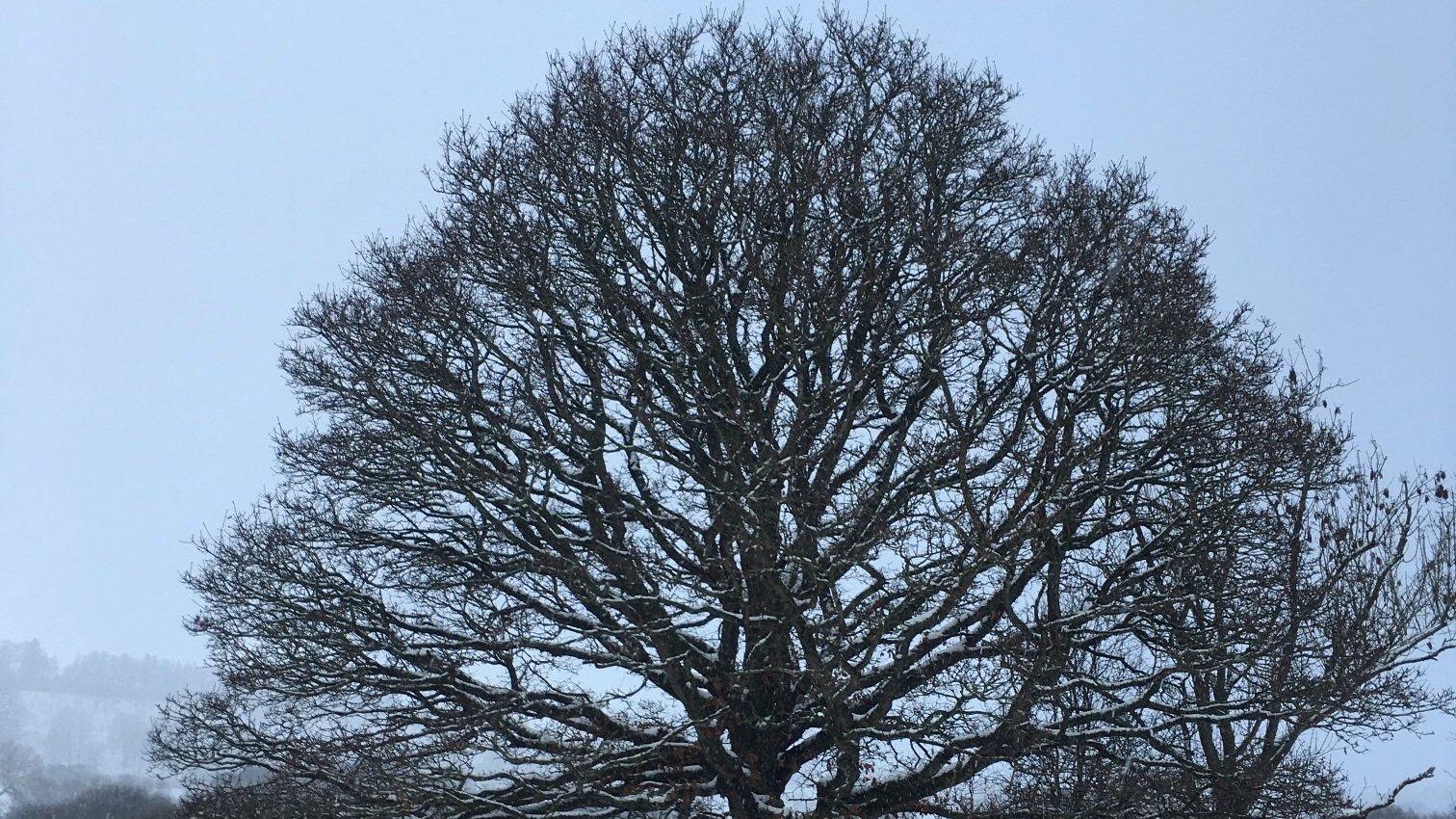
The cold, low-light winter days invite us to slow down, to sit still, to do nothing. In a culture that celebrates busyness and productivity, this can almost feel radical. But it may be one of the most nourishing things we can do.
What does ‘doing nothing’ really mean?
When most of us hear ‘doing nothing’ we imagine staring vacantly or wasting time. But modern research and contemplative traditions show that doing nothing with intention - without distraction – is anything but wasted. It’s a practice of mindful stillness, of being present without an agenda, and an opportunity for the mind and body to reset.
Unlike passive activities like scrolling, doing nothing means resting without external stimulation, just being aware of your breath, sensations, or your surroundings without striving for anything.
Why our brains actually need ‘Nothing’
Neuroscience has revealed that when we are not focused on specific tasks, our brains shift into a state known as the Default Mode Network (DMN) [Science News Today]. During DMN activity the brain consolidates memories and emotional experiences. It makes connections between ideas which leads to creativity. This is when the brain processes emotions and self-reflection helping with emotional regulation. Our best ideas sometimes come not during intense effort but while we are just sitting or letting our minds wander. There is evidence that this intentional stillness can reduce stress hormones, like cortisol, lowers blood pressure and enhances immune function. Therefore, moments of ‘doing nothing’ are not wasted or empty – this is when the brain does some of its most important work.
The health benefits of ‘doing nothing’
Slowing down and just spending time doing nothing benefits our mental and emotional wellbeing. Intentional rest activates the body’s parasympathetic nervous system, calming the fight-or-flight response. It helps to stabilize our mood which leads to better emotional regulation. Being still allows us to observe our thoughts and feelings without any urgency to react but rather respond, which increases our self-awareness and provides clarity.
Buddhist teachings on stillness and non-doing
In Buddhist traditions the idea of ‘non-doing’ is a deep form of awareness. One of the core practices is mindfulness of breathing (anapanasati). This form of meditation invites you to simply be present with your breath, not forcing focus or chasing thoughts. Zen Master Thich Nhat Hanh often spoke about the art of resting. He described sitting and doing nothing, just enjoying and being aware of your breath, as a revolutionary act in a world driven by ‘doing’. Learning to rest fully promotes the body’s natural healing and the mind’s clarity [Plum Village]. Buddhist practice also highlights non-attachment and emptiness and recognizes that clinging to goals, results and constant activity reinforces stress and identity conflicts. Letting go of this striving allows for true rest. Therefore, doing nothing can lead to a form of meditation and insight, being present with what we experience, without agenda.
Winter – a time for hibernation and rest
In nature many animals enter hibernation, a state of reduced activity and metabolism, to conserve energy during the cold harsh season. Plants and animals demonstrate a king of ‘winter rest’: trees have shed their leaves, seeds are dormant, animals slow down…for survival and renewal.
Humans experience seasonal shifts in circadian rhythms, mood and energy levels. Seasonal Affective Disorder (SAD) which is a very common pattern of low mood and tiredness, highlights how our biology responds to shorter, darker days. Our brain chemistry changes with light exposure, including serotonin production, which is evidence that winter is a time when our bodies ask for slowing down and rest (PMC).
So maybe the quietness of winter – shorter days, softer light - teaches us to rest, reminding us that cycles of activity and stillness are normal and necessary rhythms.
A Practice of Being
So what if ‘doing nothing’ is really ‘doing something profound’?
Instead of looking at rest as empty time or laziness, maybe we need to see it as mental housekeeping – the brain’s way to integrate, reorganize and clear out. Let’s see it as creative incubation, emotional processing,’ recharging those batteries’, a time to reflect, reset and simply be alive.
As Thich Nhat Hanh reminds us: sitting and enjoying your breathing, just being in this moment, can illuminate not only your inner world, but your entire life [Plum Village].
‘Doing nothing’, being still, in your own company, without striving, just being is the most precious gift you can give yourself.
References
The Neuroscience of Focus: Why Your Brain Struggles with Multitasking
Healing Body and Mind (Episode #58) | Plum Village
Sabine
January 2026
Don't miss a beat!
New moves, motivation, and classes delivered to your inbox.
We hate SPAM. We will never sell your information, for any reason.
