
Trauma
Dec 13, 2025
Trauma is a big word. It covers many meanings for different people and comes in different forms and has different impacts. Before looking at trauma and how it impacts the human psyche, it is worth understanding how the brain handles normal, non-traumatic, memories. Then we can better understand how the impact of “Trauma” changes this process.
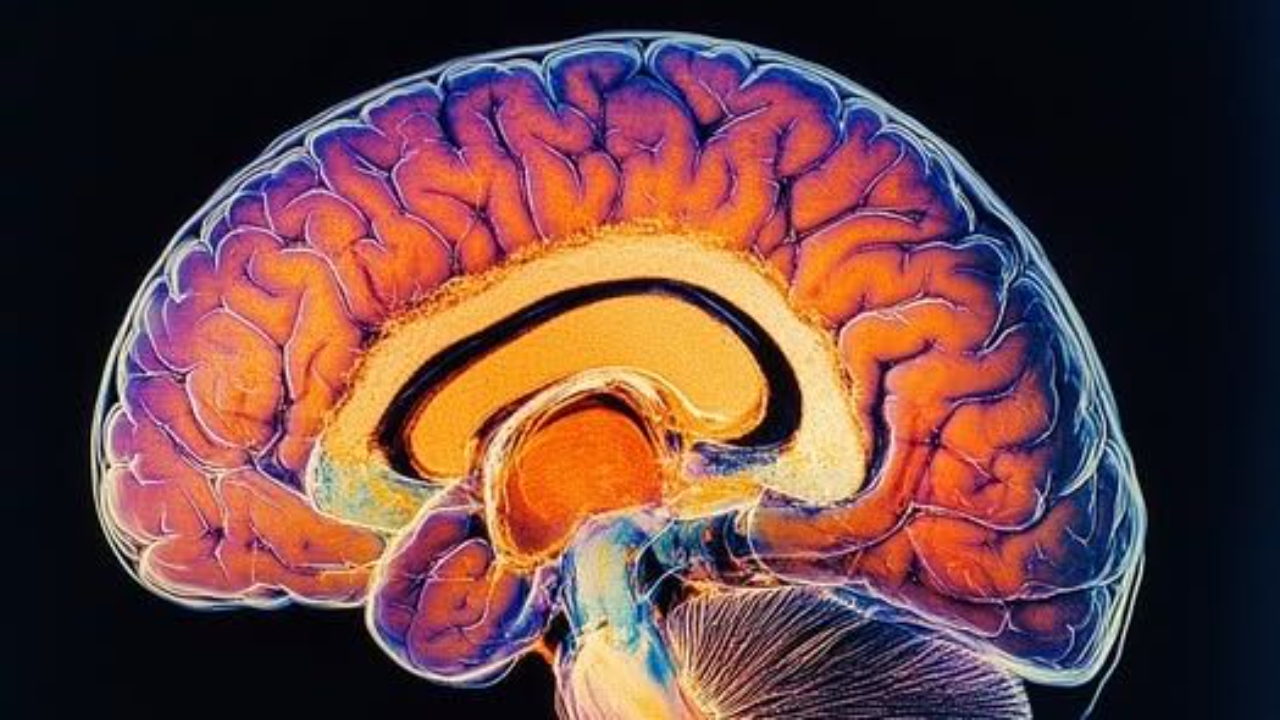
In our first months, immediately after birth, we start to log the essential feelings and emotions. Do I feel safe? Do I hurt? Do I feel loved? Am I hungry? And we recognise that our answer to those fundamental questions vary as things happen around us. Some people make us feel loved, some people make us question our safety. Early memories form the basis of our “Database” of what and who are safe, what makes us excited and happy and what makes us feel unsafe or causes us pain. This information is stored in part of the brain, the amygdala, close to the brain stem. The amygdala is part of our limbic system, and it continually monitors our perceived safety and wellbeing. If it senses a threat or risk, it triggers our fight or flight response. This database is constantly refreshed and updated as we grow through our initial years, and we learn appropriate responses to the feelings sensed by the amygdala. The feelings are passed to our prefrontal cortex where we build our ideas of appropriate responses. In the case of a threat the amygdala can hijack the prefrontal cortex, and we respond instinctively to achieve safety. The reasoning process is bypassed. (1)
After passing through the prefrontal cortex normal memories of events are then stored in the hippocampus where they are date stamped and stored with non-essential information stripped away. For instance, we might remember what we had for breakfast but the taste of the coffee, the texture of the toast, the mouth feel of the fruit juice, are not normally part of that memory in the hippocampus. If we liken our memory to a computer then the memories are stored in an indexed memory as discreet files with hashtags for some aspects of the timing, location etc.
So, back to a trauma. At its most basic a trauma is an event which triggers the amygdala to such an extent that the memory and sensory inputs bypass the prefrontal cortex and pass straight through to the hippocampus. The amygdala ensures our safety by triggering the fight or flight reaction and sending out signal hormones to ensure that we have the best chance of survival. Meanwhile, the hippocampus is deluged with a large unprocessed file which still contains all the emotions, senses and other data from the incident. It is also bristling with all the hashtags associated with every aspect of the incident. This causes us difficulties in the future as any call to one of those hashtags will trigger the recall of the whole unprocessed memory file of the incident. We relive the event that caused us the threat.
Traumatic events that create this response vary in form and duration. In our early years we may perceive something as being traumatic as it is the first time that we have encountered a situation, or the situation is at odds with what we had expected from our limited experience. We are suddenly jolted into an “unsafe” response when we were confident all was well. An incident we encountered at an age of three or four may not have any impact when encountered later in life as the prefrontal cortex has learned how to respond and to step in and shut down any triggered fight or flight response. We now “know” the situation is non-threatening and have the necessary tools to cope.
Incidents which become traumatic for us may take many forms. We may not have any awareness of having been exposed to a trauma until the full memory of the event is triggered by a situation later in life. Traumas may be early single events which have a conscious memory, and we have learned coping mechanisms to deal with it. They may be multiple events such a being brought up in a dysfunctional background, or war zone. We refer to these as complex traumas. In a complex trauma an individual may have to learn survival skills on an ongoing timescale as related traumas are encountered every day. More extreme forms of complex trauma may be experienced by people such as the armed forces or first responders. We become aware of PTSD or Post Traumatic Stress Disorder where the brain struggles to differentiate between a safe current reality and continually triggered traumatic memories which continually highjack the prefrontal cortex.
The problem with a trauma memory file is that it is stored with all the emotions and sensory information, like a large cloud of hashtags. If anything in everyday life, however safe and unthreatening, triggers part of the memory, the whole traumatic incident is replayed. This includes the emotions and fears. This results in the clusters of panic attacks we see in conditions such as PTSD.
Most treatments for trauma rely on identifying the source of the trauma and in a safe environment slowly working to break down and process the large corrupt memory file. This is replaced with a sequence of files acceptable to the prefrontal cortex which no longer have the recall of emotions and feelings associated with them. In the UK the NHS preferred method is to use Cognitive Behavioural Therapy, or CBT, where the client learns to recognise that their current lived experience is in reality safe and that the traumatic event is unlikely to reoccur. Research indicates that CBT is only effective with 50% of PTSD sufferers. (2)
Trauma changes us. Particularly complex or multiple linked traumas. The primary safety reaction of the brain is to learn how to survive without triggering further trauma events. This may involve a child learning skills on how to deal with a physically abusive parent or an individual learning how to become “invisible” in a hostile environment. While we learn these survival skills, we fail to learn other life skills which would have been part of a natural development. Learning how to survive in a war torn foreign city as a small child may be essential to keeping us alive, it probably comes at the cost of not learning how to share and accommodate our peers. (3)
Anxiety often has its root cause in either trauma or in being exposed to a dominant personality who has caused us to change our own development. Recovery from trauma, with a lessoning of anxiety, can be a long and painstaking journey where we learn to uncouple from the influences of traumatic events.
Prolonged exposure to the impact of trauma does not just impact our mental health. The continual triggering of our fight or flight reaction means the body receives a constant dose of stress hormones including cortisol which suppresses our immune system as well as elevating the load on our hearts with increased blood pressure.
Trauma, particularly complex trauma or PTSD, impacts the quality of life for many. The characteristics of the fight or flight reaction include reduced blood flow to the head to reduce the impact of injury. This impacts our ability to reason clearly and to find a safe solution. Professional help is required to guide most PTSD sufferers to a safe and enduring resolution.
We should remember that a trauma experienced by a ten-year-old may not seem like anything for concern to an adult, but it can have a lasting impact on somebody with the developing brain of the ten-year-old. The impact of the trauma may only manifest many years later when a set of conditions trigger a traumatic response. Even a childhood
Counsellors and health professionals working with trauma always need to ensure that the client feels in a safe space as issues are worked through.
1 Brian Lancaster, Mind Brain and Human Potential, 1991 Element.
2 Nilamadhab Kar, Cognitive behavioral therapy for the treatment of post-traumatic stress disorder: a review, Neuropsychiatr Dis Treat. 2011 Apr 4;7:167–181.
3 J D Ford & C. A. Courtois, Treating Complex Traumatic Stress Disorders in Adults, Guilford, 2020
Ian McDonald Dec 2025
Don't miss a beat!
New moves, motivation, and classes delivered to your inbox.
We hate SPAM. We will never sell your information, for any reason.
